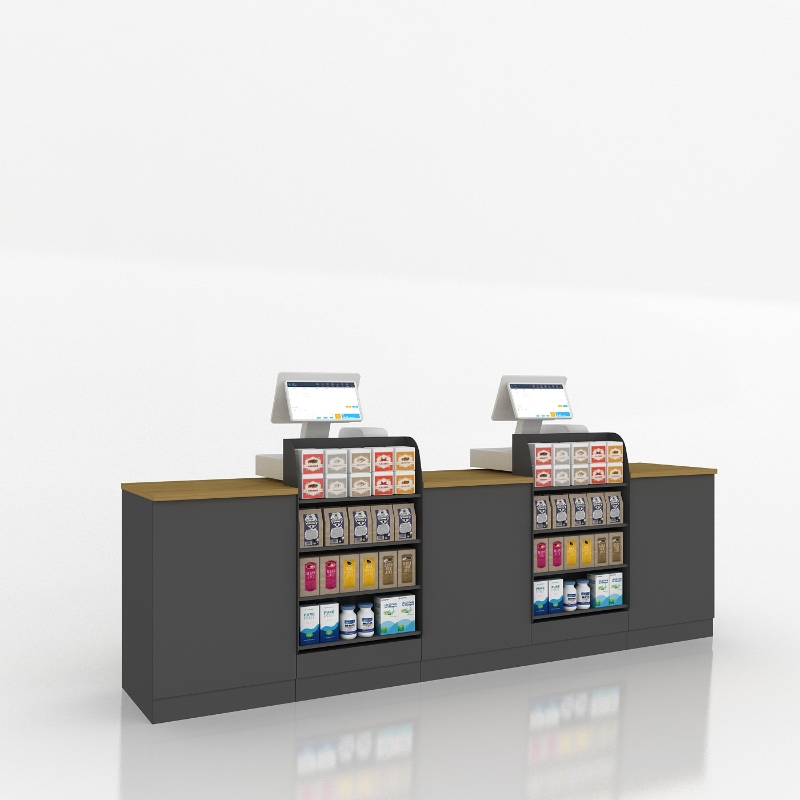
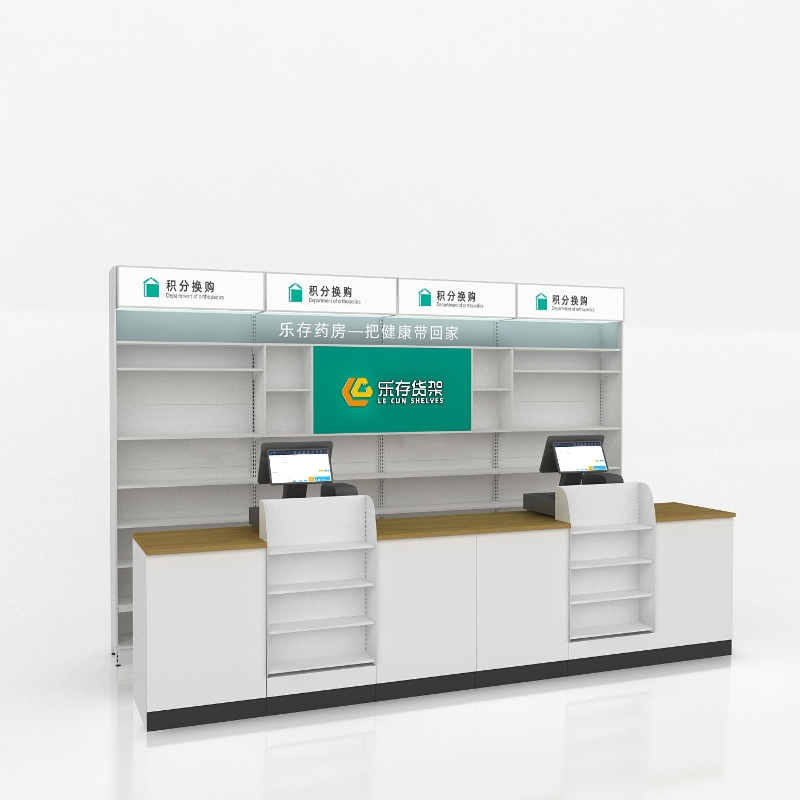
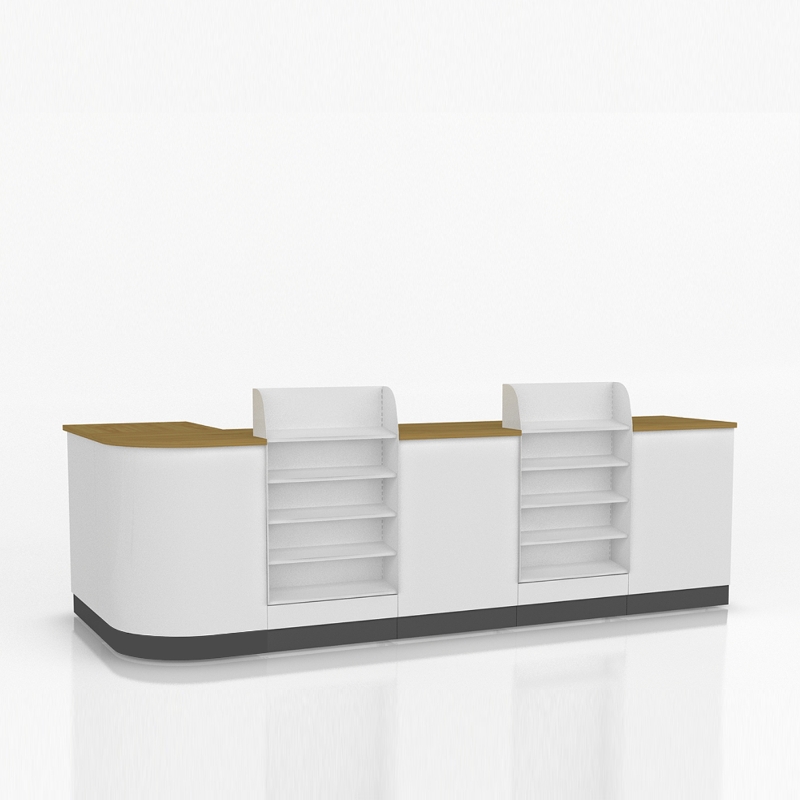
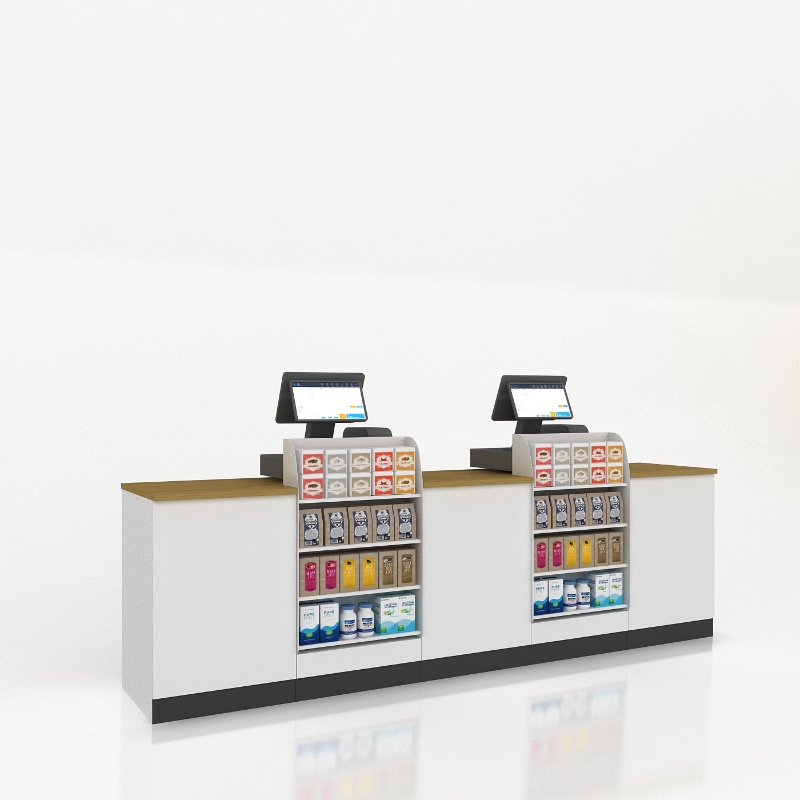
The checkout counter (also known as the cash wrap or point-of-sale station) is one of the most critical areas in a retail space. It serves not only as the core hardware for completing transactions but also as a strategic hub that shapes the final customer shopping experience, drives add-on sales (impulse purchases) via shelving, and showcases the brand's image.
If you are planning, sourcing, or optimizing checkout counters for your store, consider the following key dimensions:
1. Common Types and Selection: Different store layouts and sales models call for specific counter designs: Standard Straight Counter: The classic design. Typically featuring staff access on one side, it is ideal for small retail shops, clothing stores, or boutiques with limited space. L-Shaped Cash Wrap: Offers more spacious work areas for staff and ample room for customers to place their merchandise. Suitable for medium-sized stores, beauty shops, or retailers requiring gift-wrapping services. U-Shaped Configuration: Often forms a semi-enclosed island; ideal for high-traffic environments where multiple cashiers need to work simultaneously. Belted vs. Non-Belted (Express): A standard feature in large supermarkets or high-volume food retailers, utilizing automated conveyor belts to expedite the checkout process for large baskets of goods. Showcase Register Stand: Features a tempered glass display case at the front to showcase high-value, fragile, or high-margin items (such as jewelry, perfume, or digital accessories)—offering both security and visual appeal.
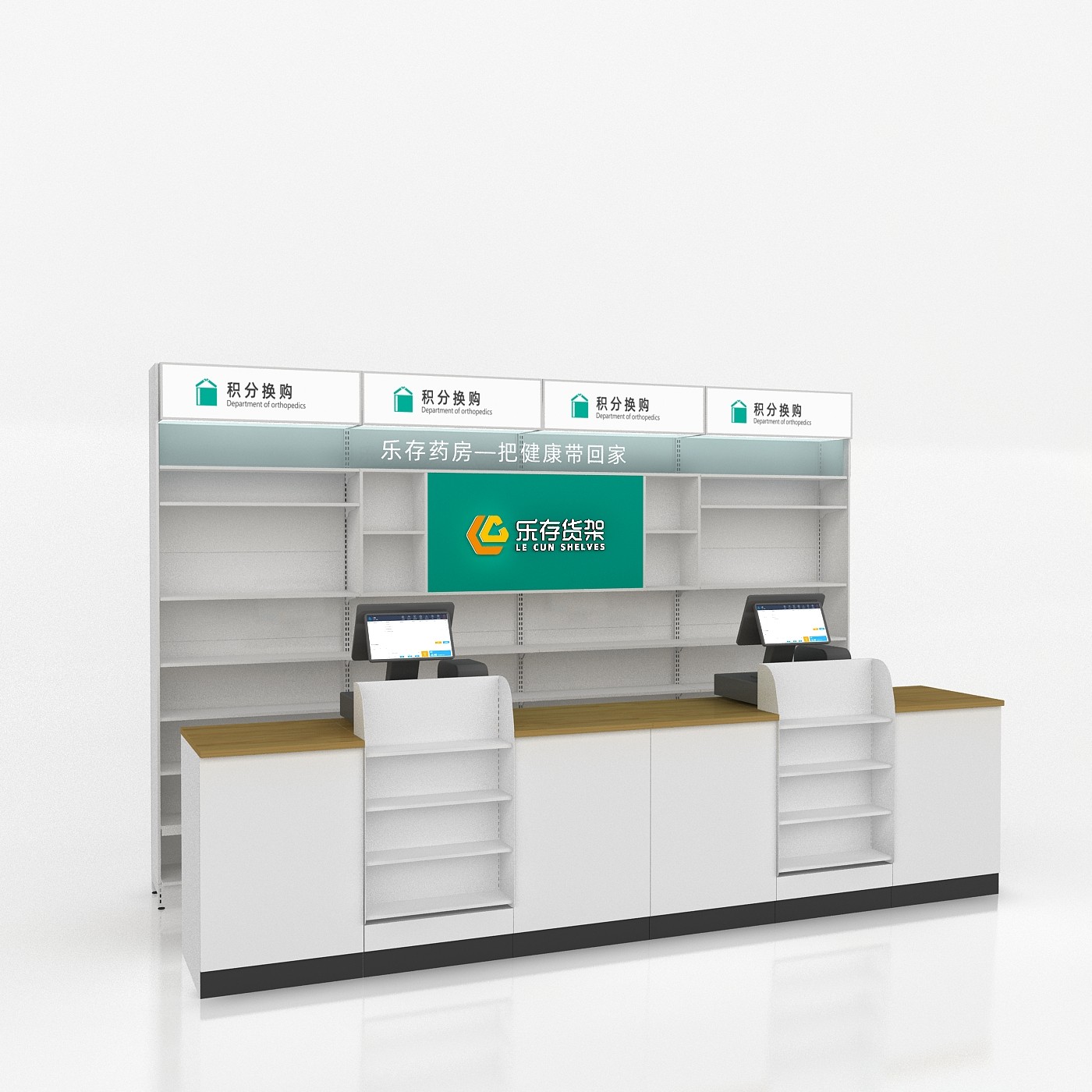
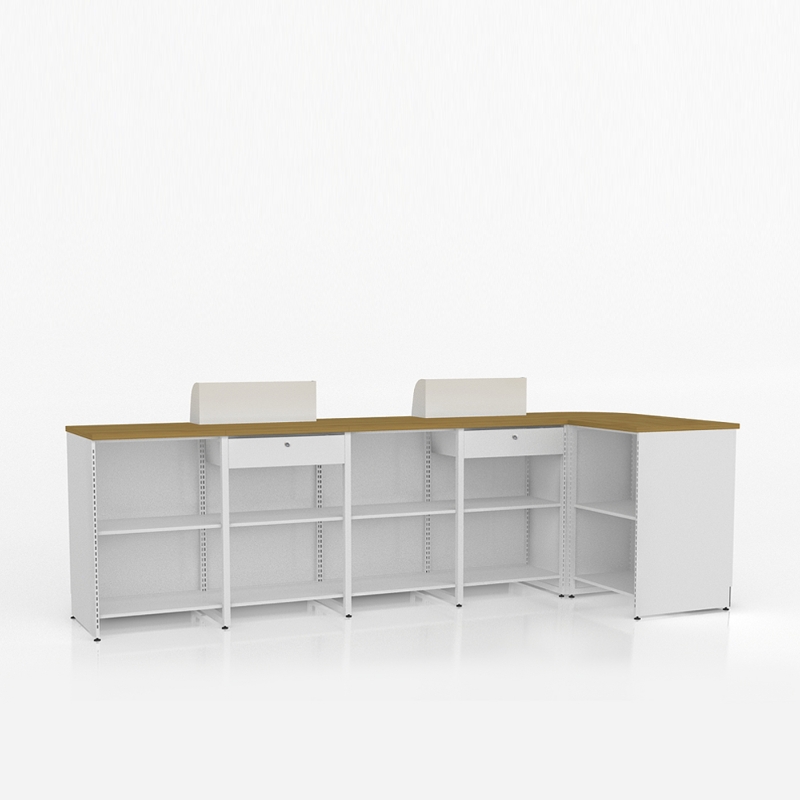
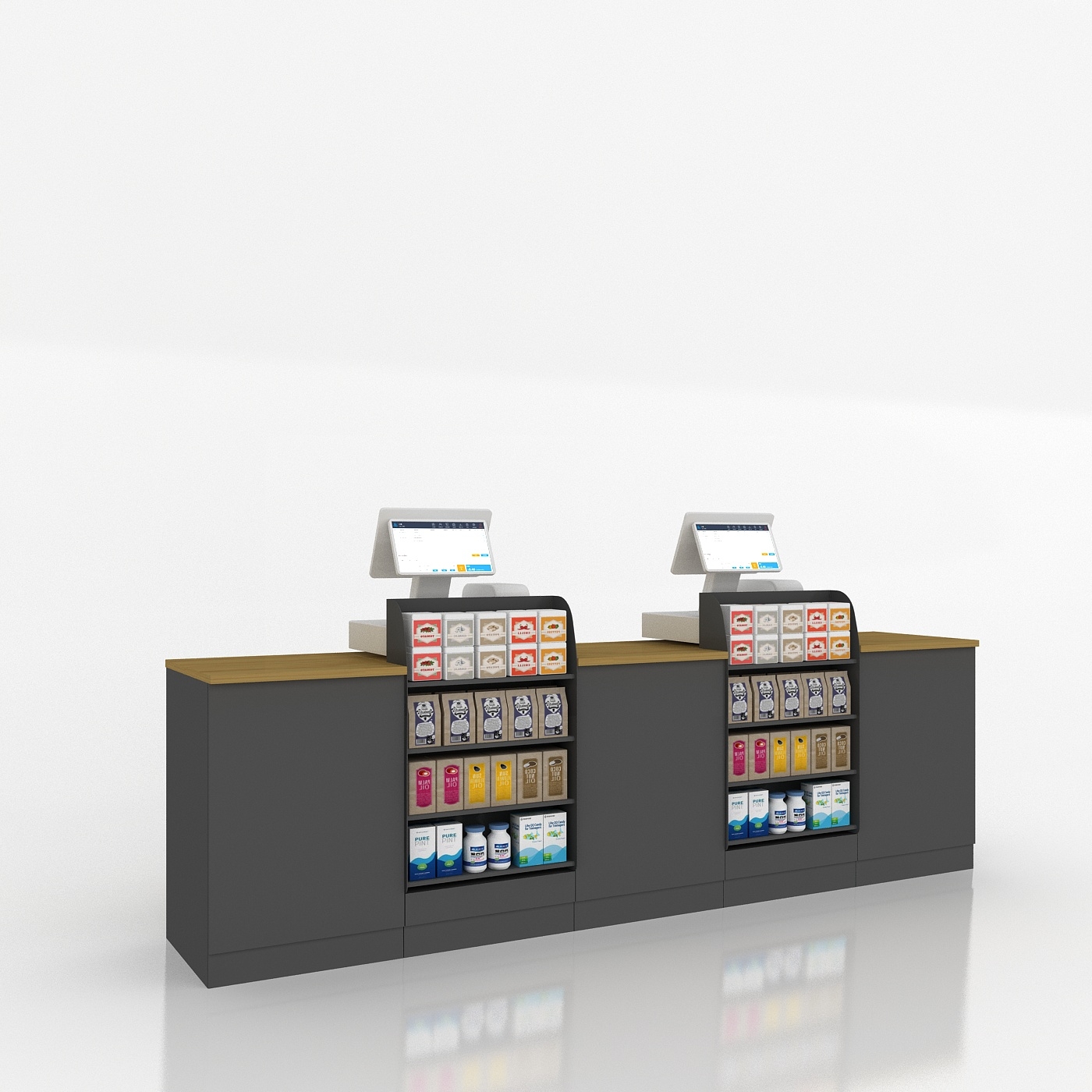
II. Core Functional Features: An efficient checkout counter requires the following commercial-grade hardware characteristics: High load-bearing capacity and wear-resistant materials—commercial counters are subjected to constant dragging of merchandise and frequent cleaning; therefore, priority should be given to materials such as high-pressure laminate (HPL), solid wood, wear-resistant metal, or stainless steel edging, while avoiding materials with easily peeling veneers. Cable Management—the countertop and interior must feature cable grommets and concealed channels to route power cords for equipment such as POS terminals, barcode scanners, receipt printers, and card readers. Secure Storage—the interior must include lockable drawers and adjustable shelving to safely store cash, the change float, and valuable office supplies. Accessibility (ADA Compliance)—in accordance with commercial standards, it is recommended to select or custom-build counters that include a lowered section (ADA drop) to ensure equal, accessible checkout services for individuals with disabilities or wheelchair users.






 English
 USA
USA
 韩国
韩国
 沙特阿拉伯
沙特阿拉伯
 墨西哥
墨西哥
 孟加拉
孟加拉
 葡萄牙
葡萄牙
 西班牙语
西班牙语
 俄罗斯
俄罗斯
 尼日利亚
尼日利亚
 日本
日本
 越南
越南
 巴基斯坦
巴基斯坦
 印尼
印尼