




 English
 USA
USA
 韩国
韩国
 沙特阿拉伯
沙特阿拉伯
 墨西哥
墨西哥
 孟加拉
孟加拉
 葡萄牙
葡萄牙
 西班牙语
西班牙语
 俄罗斯
俄罗斯
 尼日利亚
尼日利亚
 日本
日本
 越南
越南
 巴基斯坦
巴基斯坦
 印尼
印尼

Retail Stores — One-Stop Shop Services
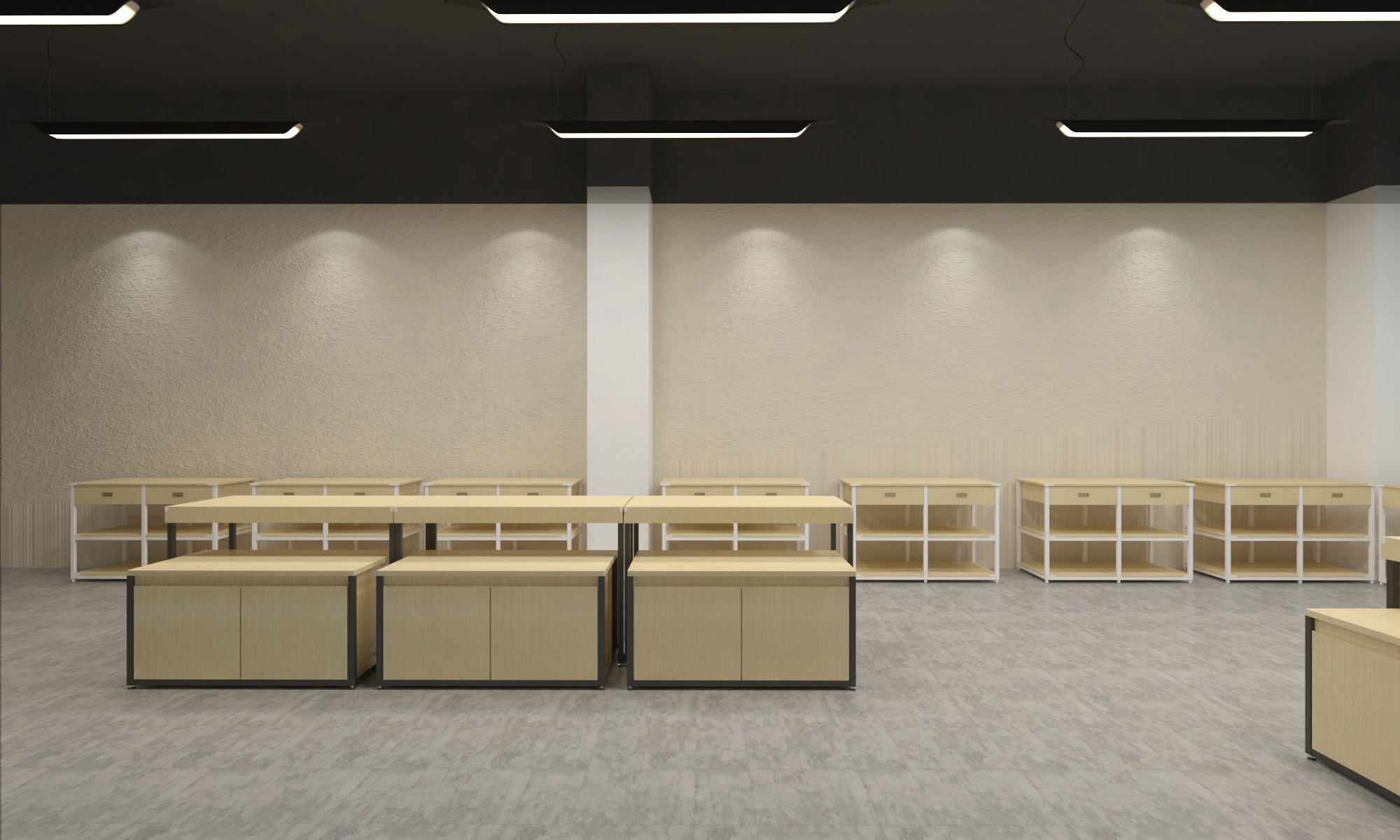
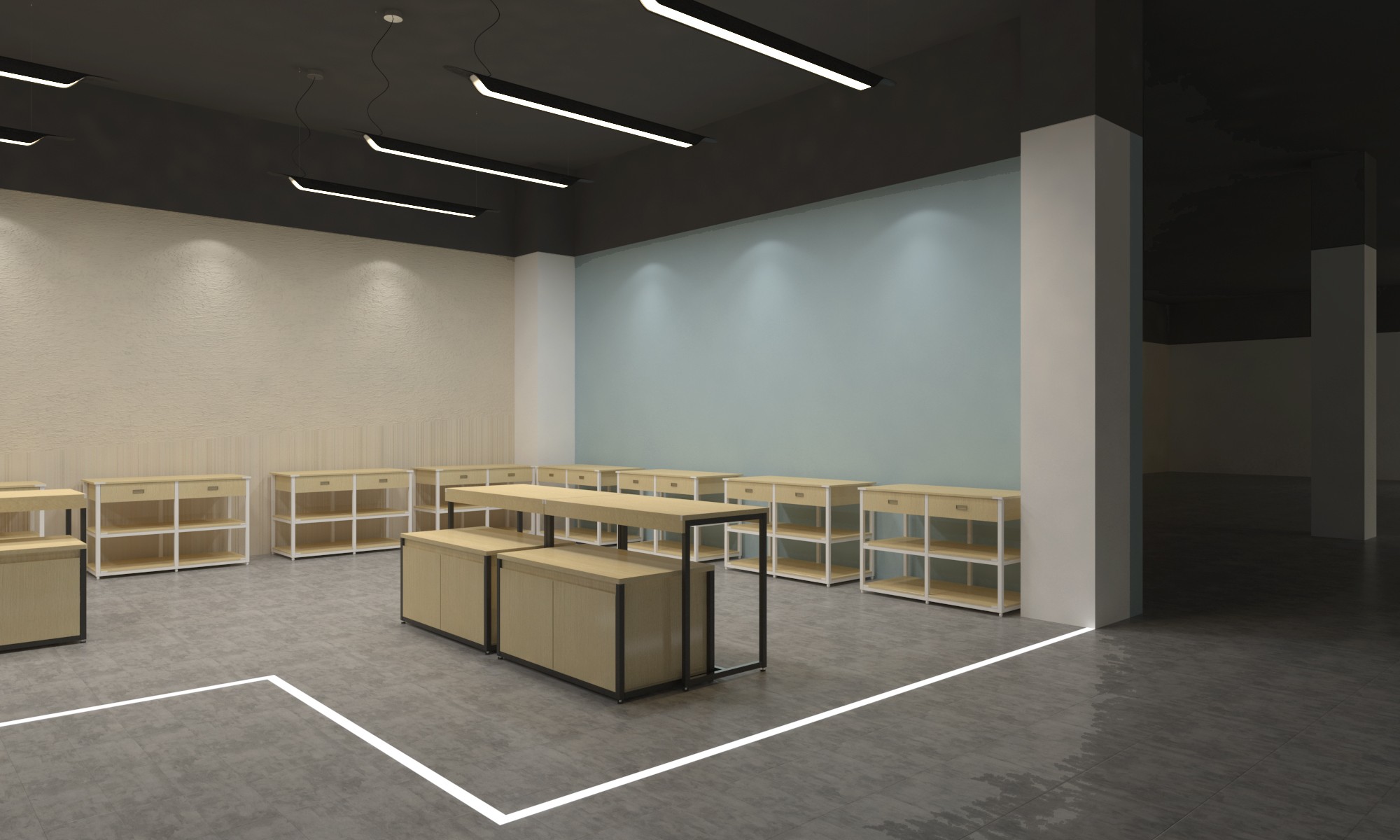
200-Square-Meter Store Design Plan
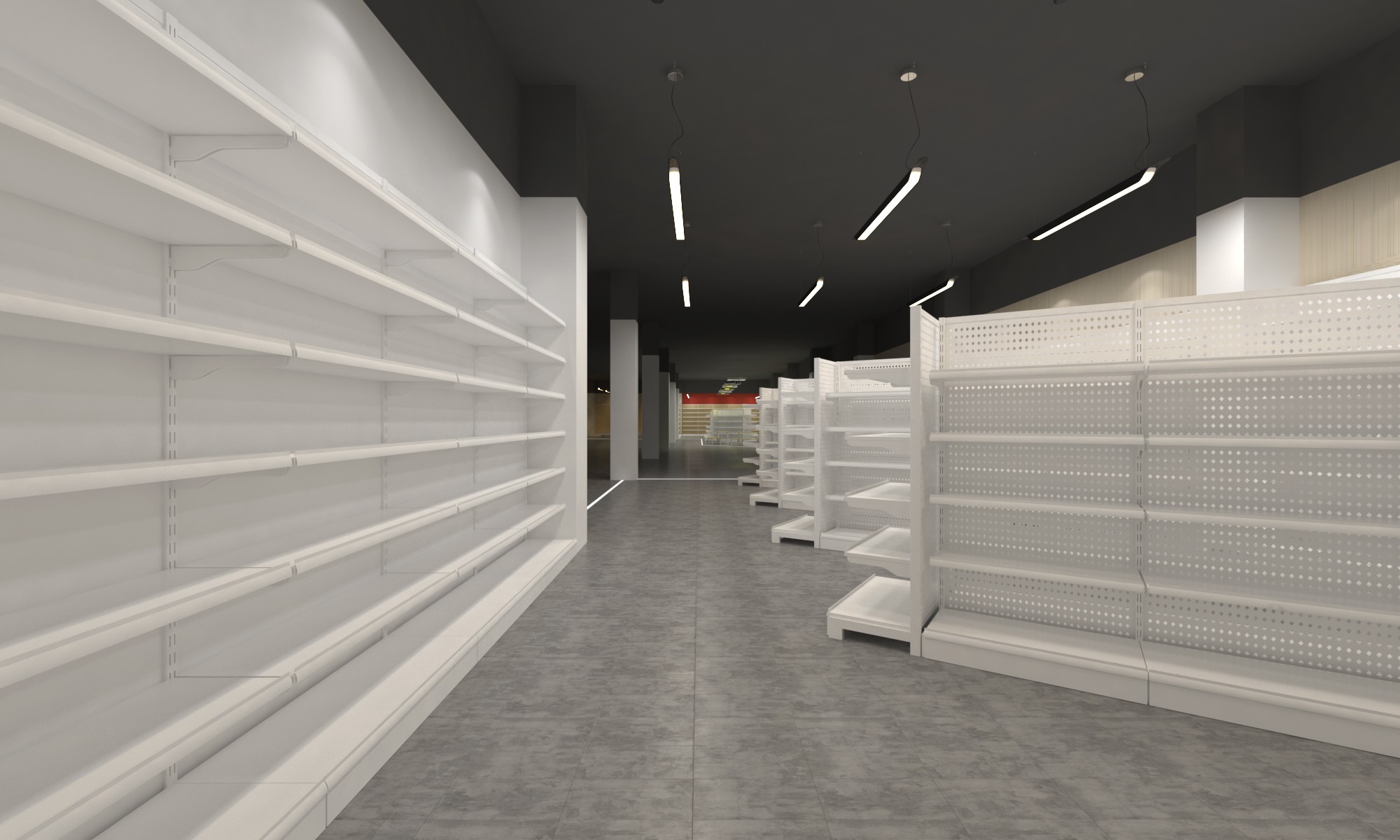
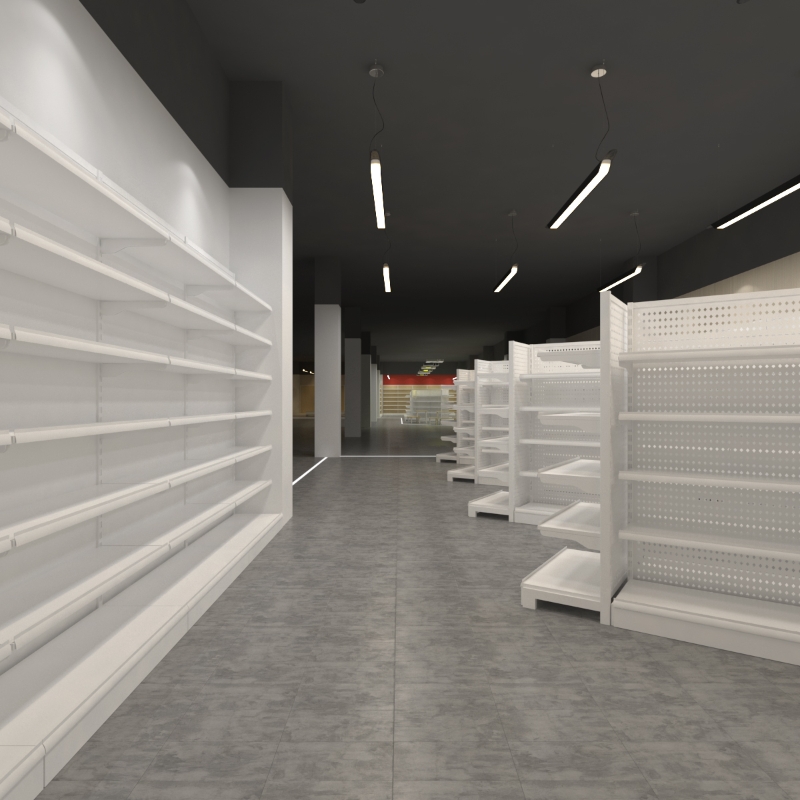
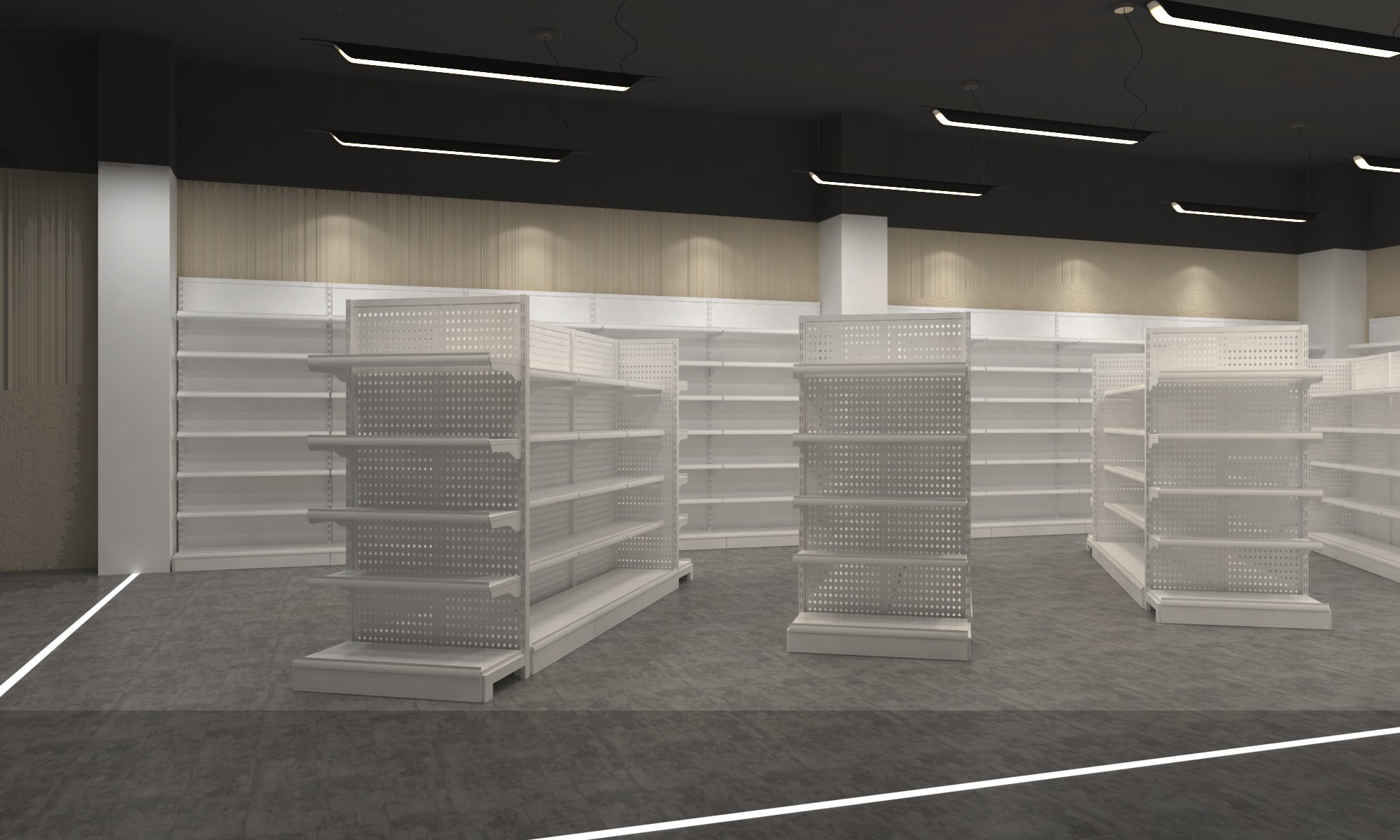
Store shelving systems generally fall into two categories: standard retail shelving (suitable for general use) and specialized custom shelving. These systems are designed to accommodate the vast majority of offline retail, service, and wholesale establishments. The following guide is organized by industry; simply identify your sector to select the appropriate shelving models:
I. Supermarkets, Convenience Stores, and Community Fresh Food Markets: Double-sided shelving units, end-cap displays, produce racks, and checkout counter shelving—ideal for displaying snacks, daily necessities, groceries, and fresh foods.
II. Specialty Snack Shops and Boutique Department Stores: Steel-and-wood shelving units, pegboard/hook displays, and shelving units with adjustable tiers.
Stationery Stores and Office Supply Shops: Lightweight shelving units and pegboard/hook displays—suitable for organizing stationery, notebooks, and office consumables.
III. Maternal and Child Care Stores: Shelving units with widened tiers, pegboard/hook displays, and specialized display racks designed for baby products—perfect for showcasing infant formula, diapers, and toys.
II. Hardware, Building Materials, and Auto Parts (High-Load Heavy-Duty / Medium-Duty Shelving)
1. Hardware Stores & Tool Shops: Angle-steel shelving and heavy-duty shelf units, used for storing screws, tools, and piping.
2. Auto Parts & Electric Vehicle Parts Stores: Reinforced shelving and pegboard/hook shelving.
3. Building Materials & Plumbing/Sanitary Ware Stores: Heavy-duty shelving, used for storing pipe fittings and small sanitary ware accessories.